
BLOG
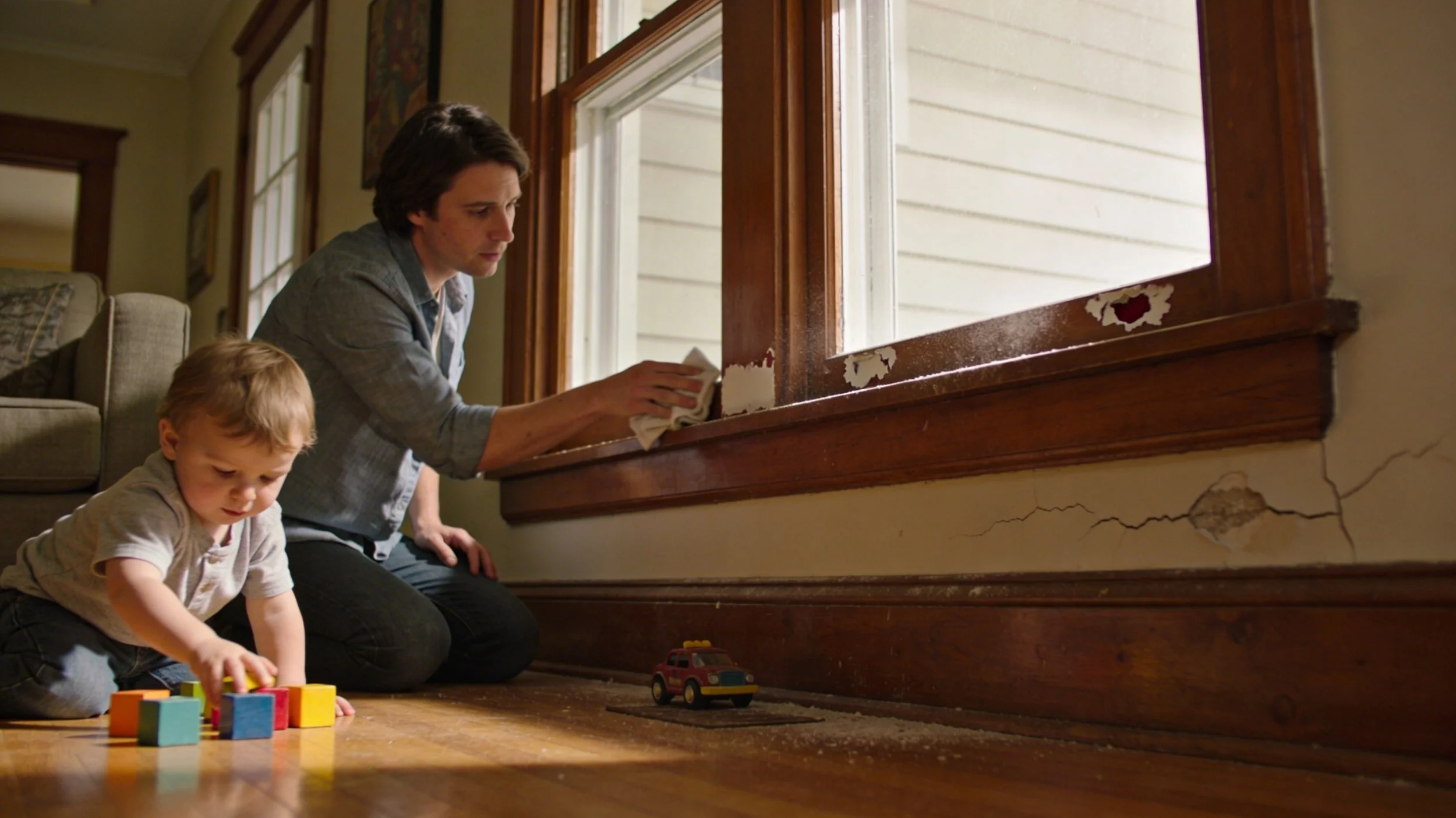
Lead Paint Hazards for Children and Families
If you live in an older Michigan home, lead paint is one of those risks that can sit quietly in the background for years until something changes: a child starts crawling, a window project kicks up dust, or peeling paint shows up around a favorite play area. The paint itself may have been on the walls for decades without anyone thinking twice about it.
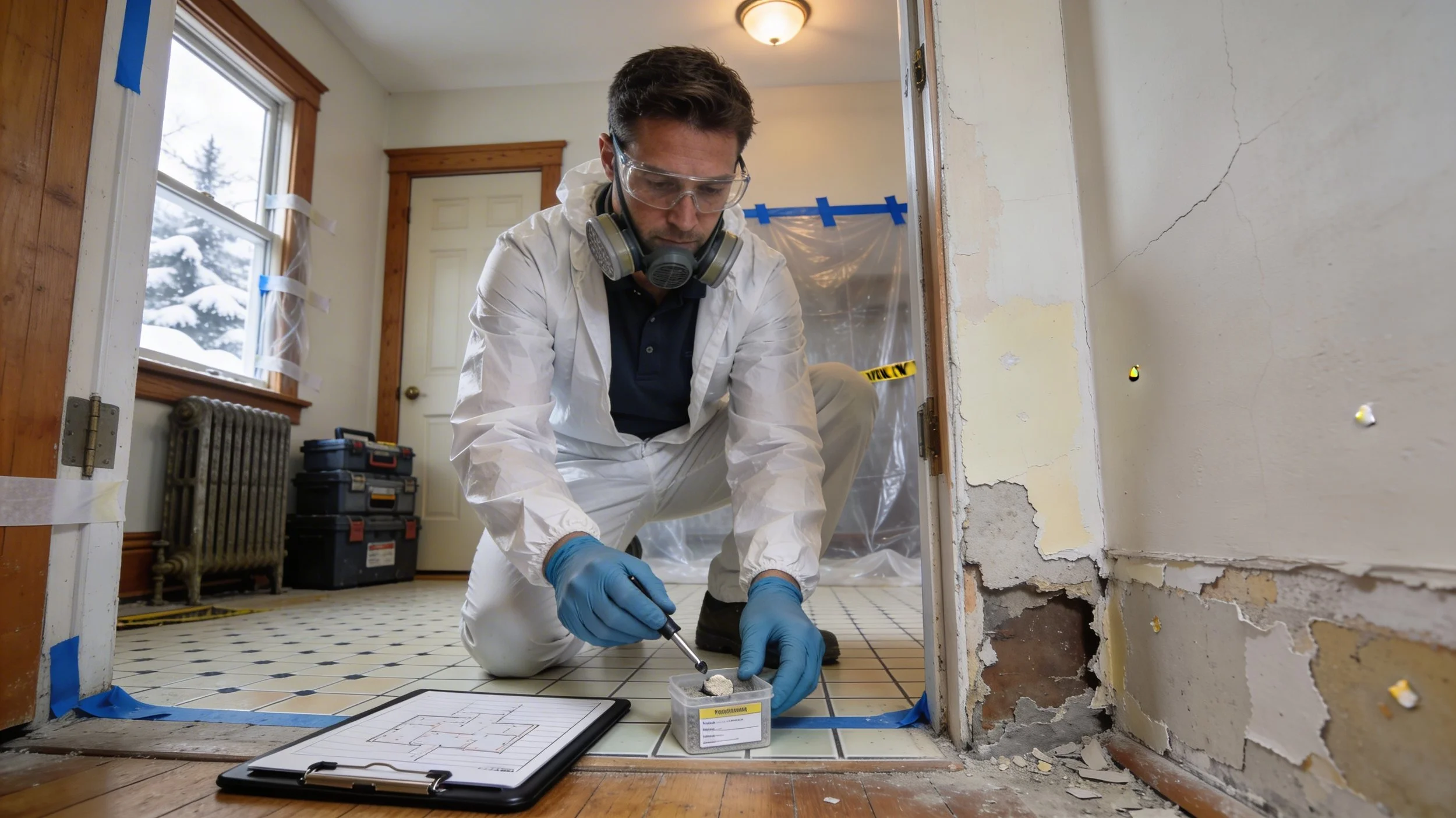
Do You Need an Asbestos Inspection Before Renovating a Home in Michigan?
If you own an older home in Michigan and you are planning a renovation, the question of asbestos should be on your checklist right alongside permits, contracts, and budgets. Many houses contain asbestos in flooring, insulation, ceiling textures, siding, and other building materials, even if they have been updated cosmetically over the years. When these materials are cut, sanded, or demolished during remodeling, they can release microscopic fibers that affect indoor air quality and long-term health.
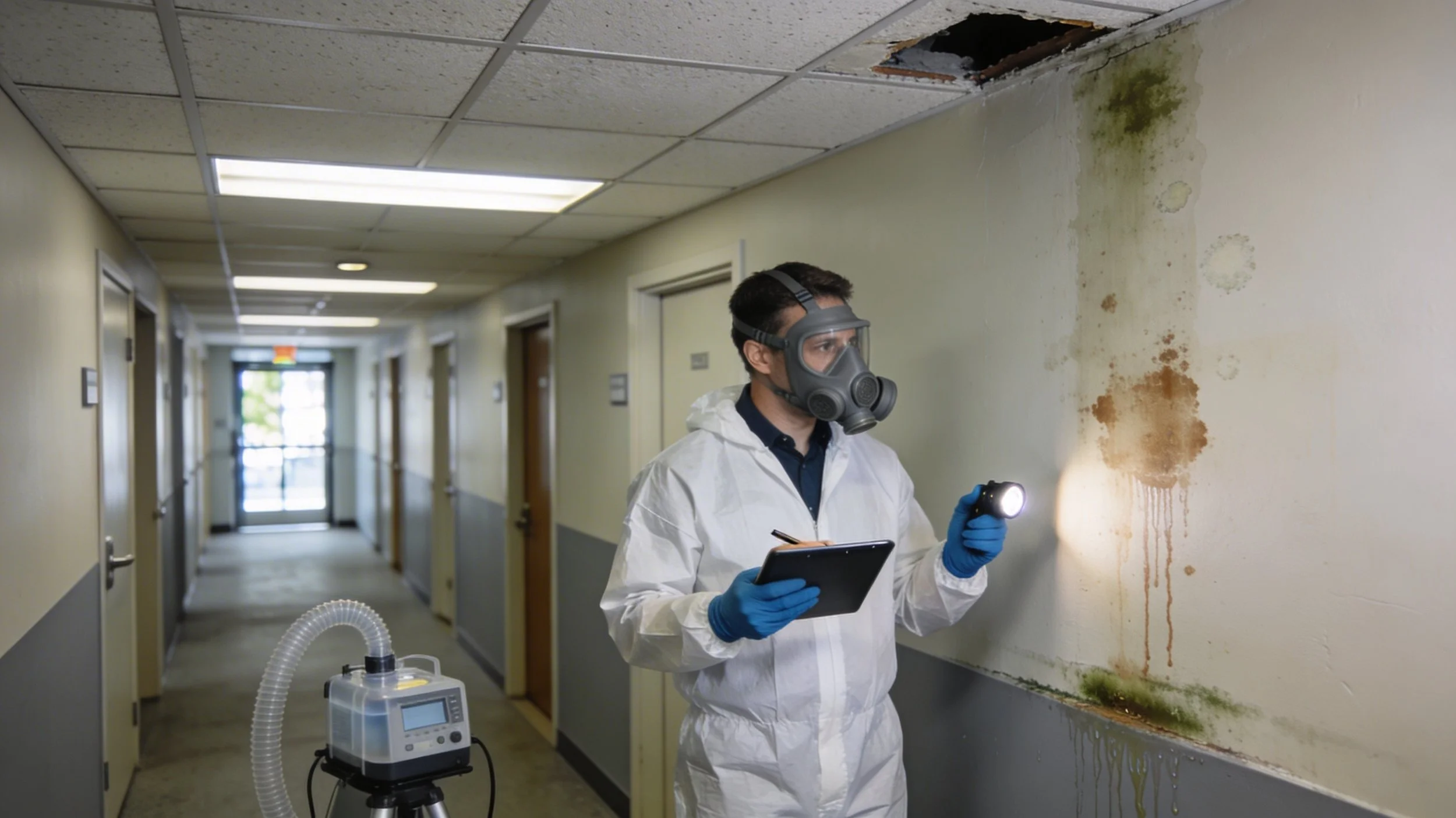
How Mold Affects Indoor Air Quality in Homes and Commercial Buildings
Mold can significantly affect indoor air quality in both homes and commercial buildings, especially when moisture problems are not addressed quickly and properly.
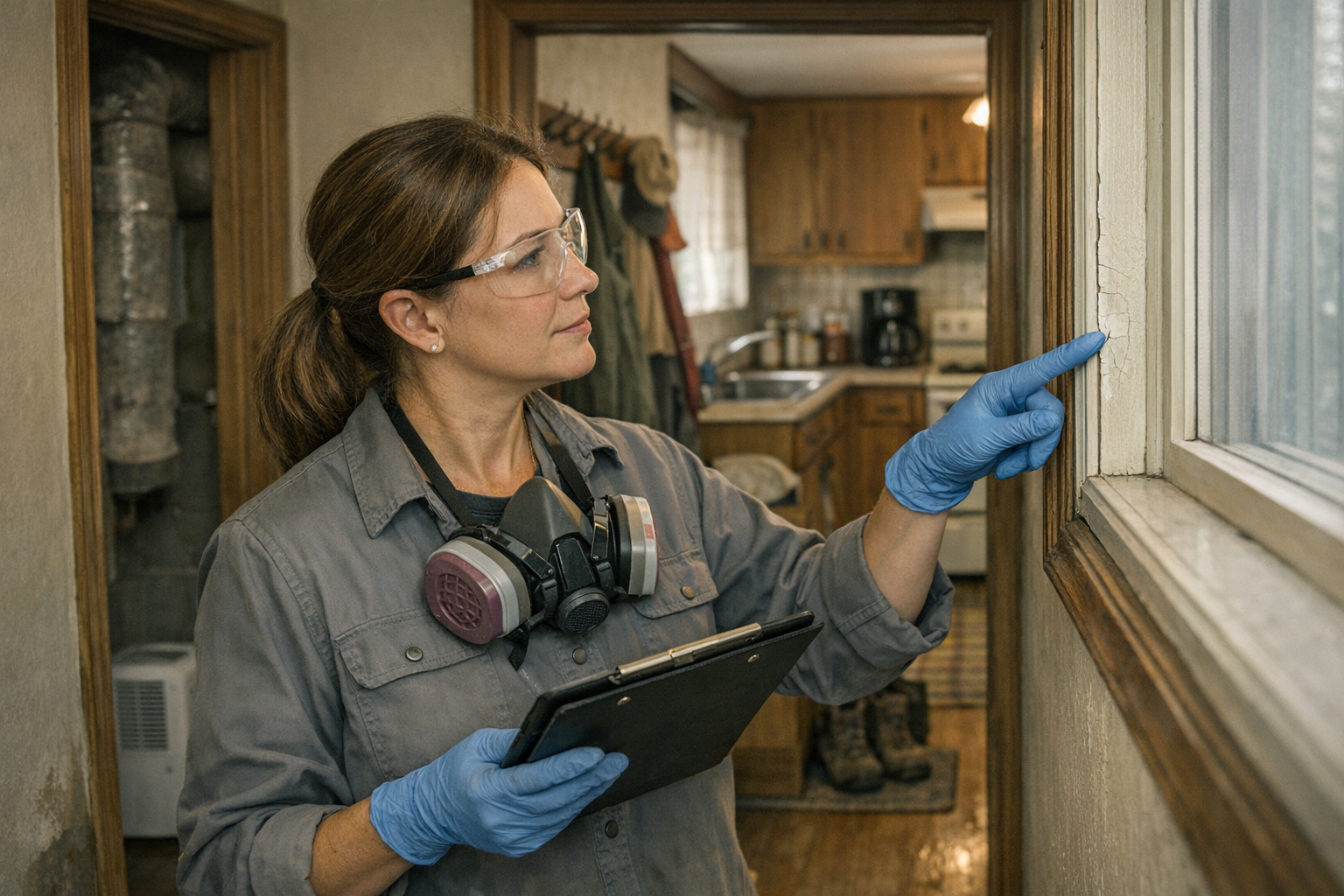
Hidden Environmental Hazards in Older Homes and Buildings
Michigan has no shortage of older homes and commercial buildings. That older construction is part of the character of places like Metro Detroit, Warren, and many downriver and lakeshore communities. It also comes with a reality that surprises a lot of owners, investors, and even contractors: older buildings can hide environmental hazards that are easy to miss until a renovation, water event, or tenant complaint forces the issue.
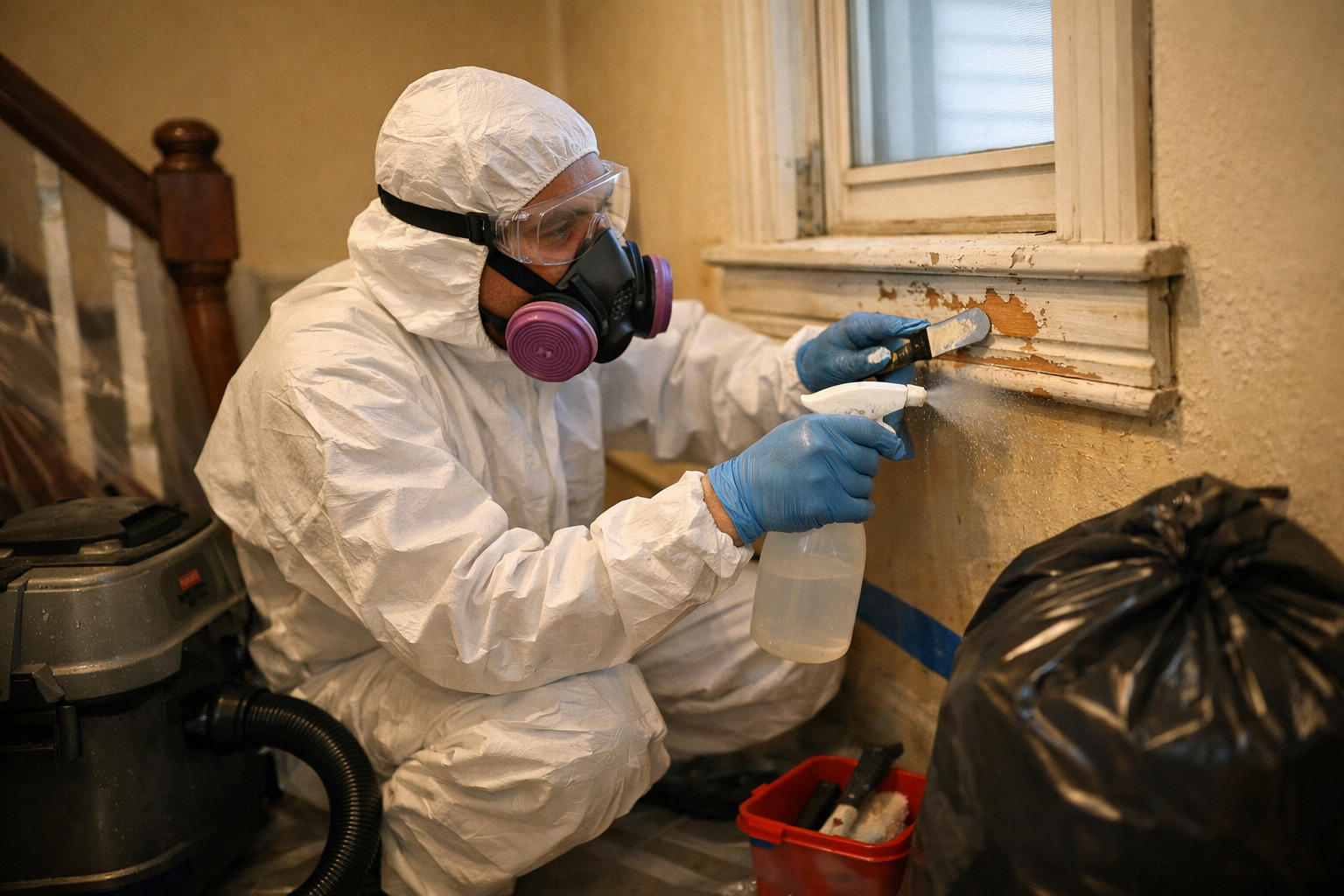
How Lead Paint Removal Works and Why It Matters for Safety
If your Michigan home was built before 1978, there is a real chance it contains lead-based paint. That does not automatically mean the home is unsafe. The risk grows when paint starts failing, or when normal repairs and renovations create lead-contaminated dust around windows, doors, trim, stair rails, and floors.
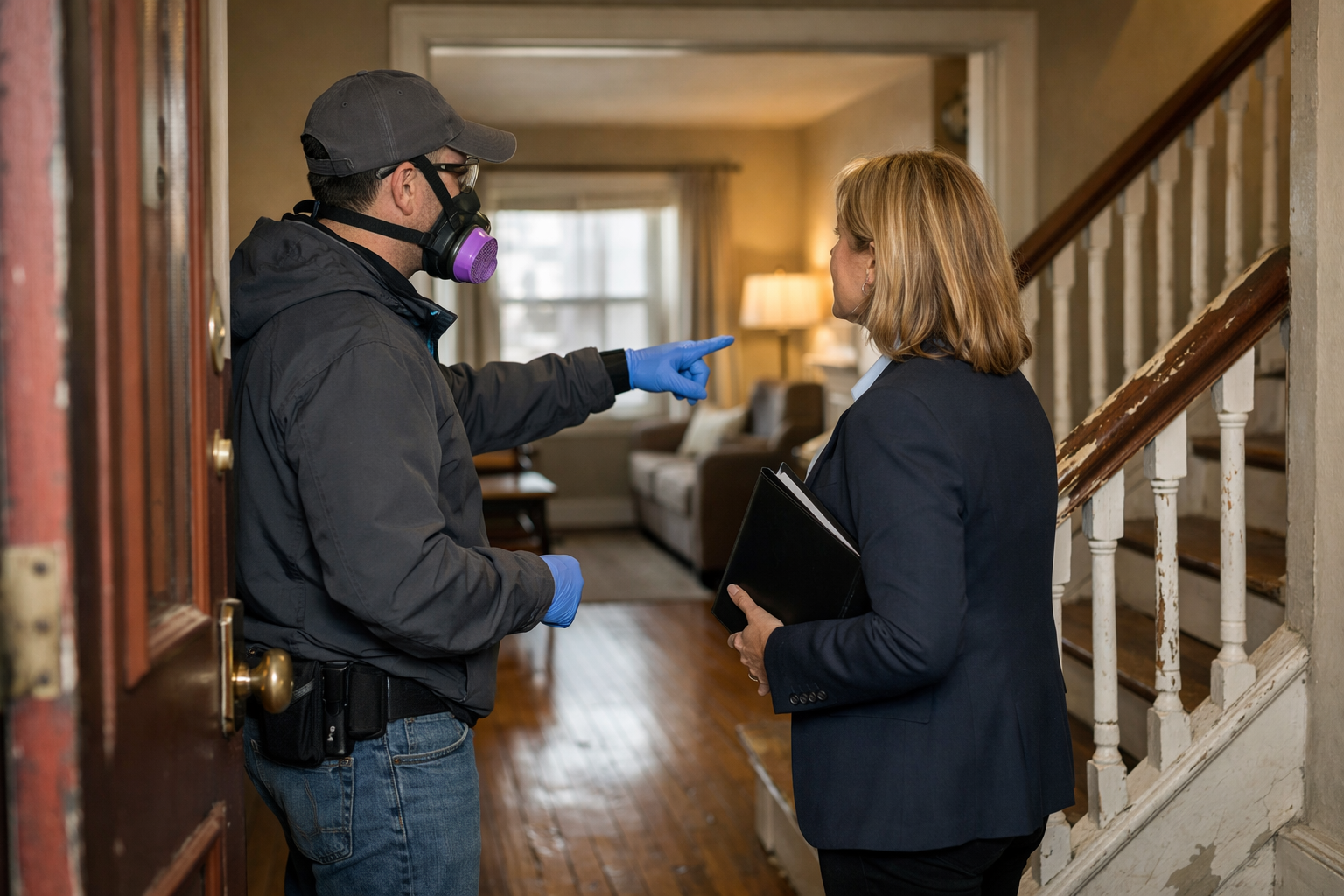
Lead Paint Laws for Rental Properties and Landlords
If you own or manage rental housing in Michigan, lead paint compliance is not optional. It is a real legal exposure and a real health issue, especially in older housing stock across Metro Detroit, Warren, and many other communities with pre-1978 properties.
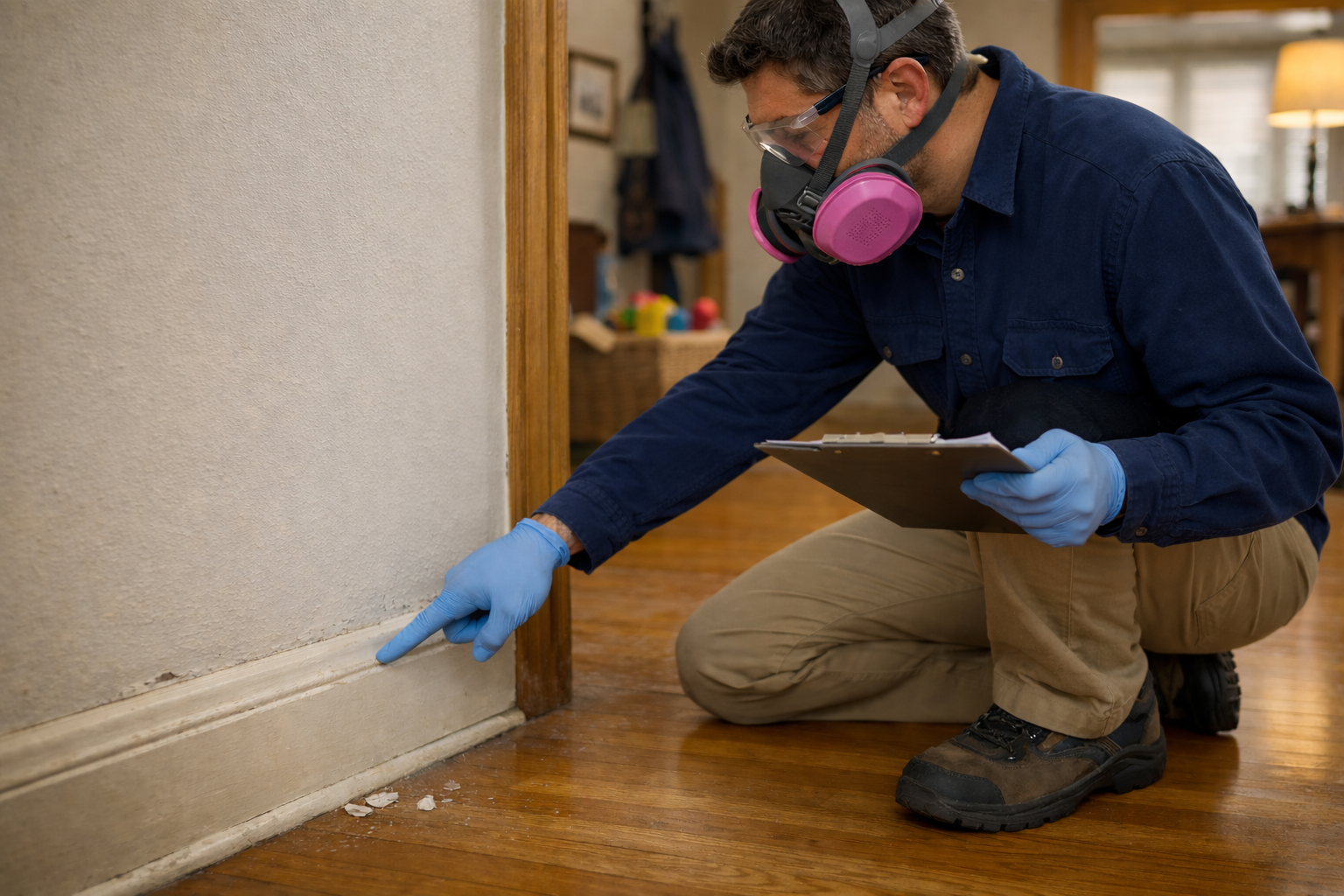
Lead Paint in Older Homes: What Michigan Homeowners Should Know
Michigan has a lot of older housing. That is part of the charm, and part of the risk. If your home was built before 1978, there is a real possibility it contains lead-based paint. Lead paint in older homes becomes a concern when it deteriorates, is disturbed during renovation, or creates lead-contaminated dust that spreads through everyday living spaces.
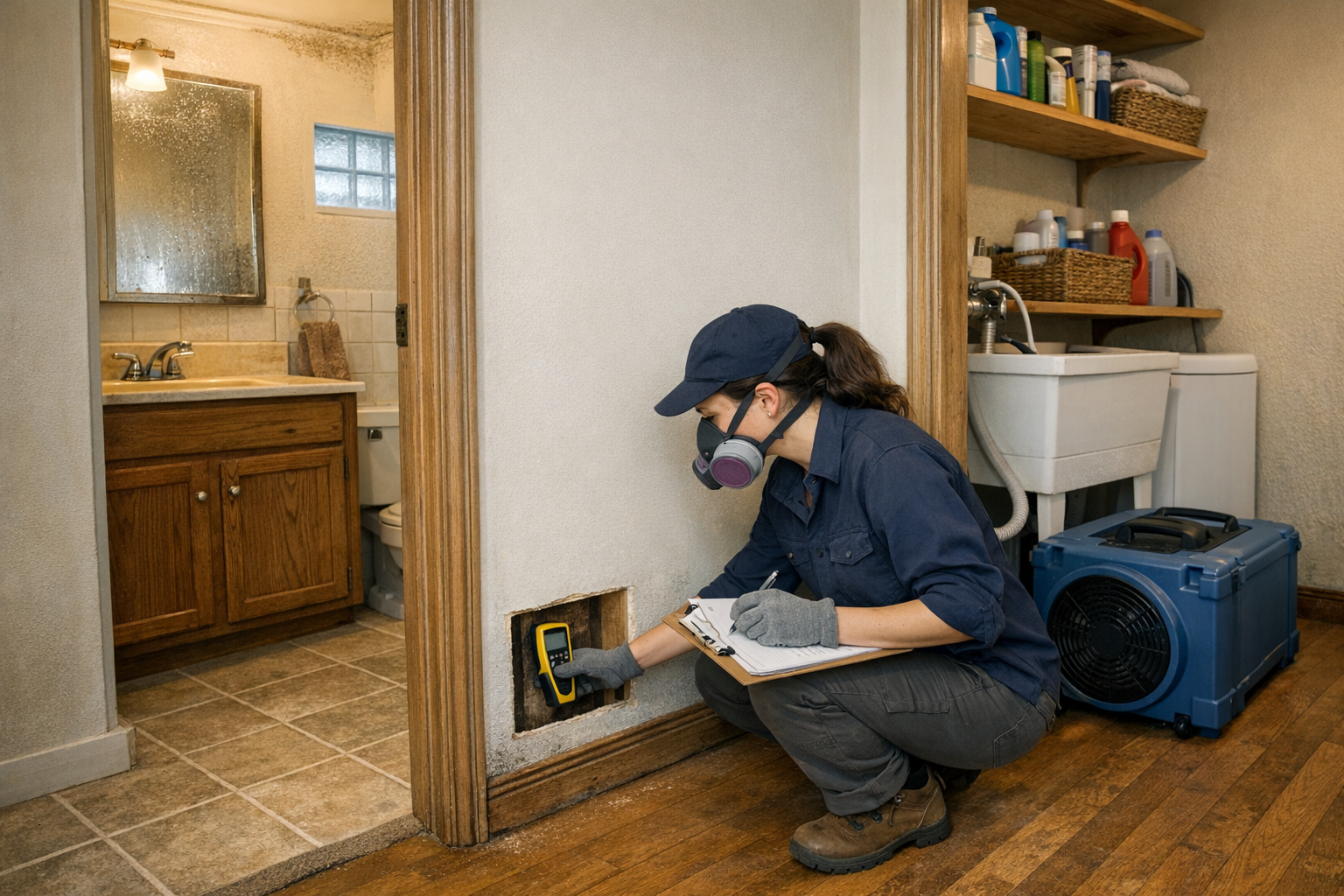
Why Mold Problems Keep Coming Back (And How to Fix Them Properly)
If you have cleaned mold off a wall, painted over a stain, or paid for “mold removal” only to smell that musty odor again a few weeks later, you are not alone. In Michigan, recurring mold issues are extremely common, especially in basements, older buildings, and properties with seasonal moisture.
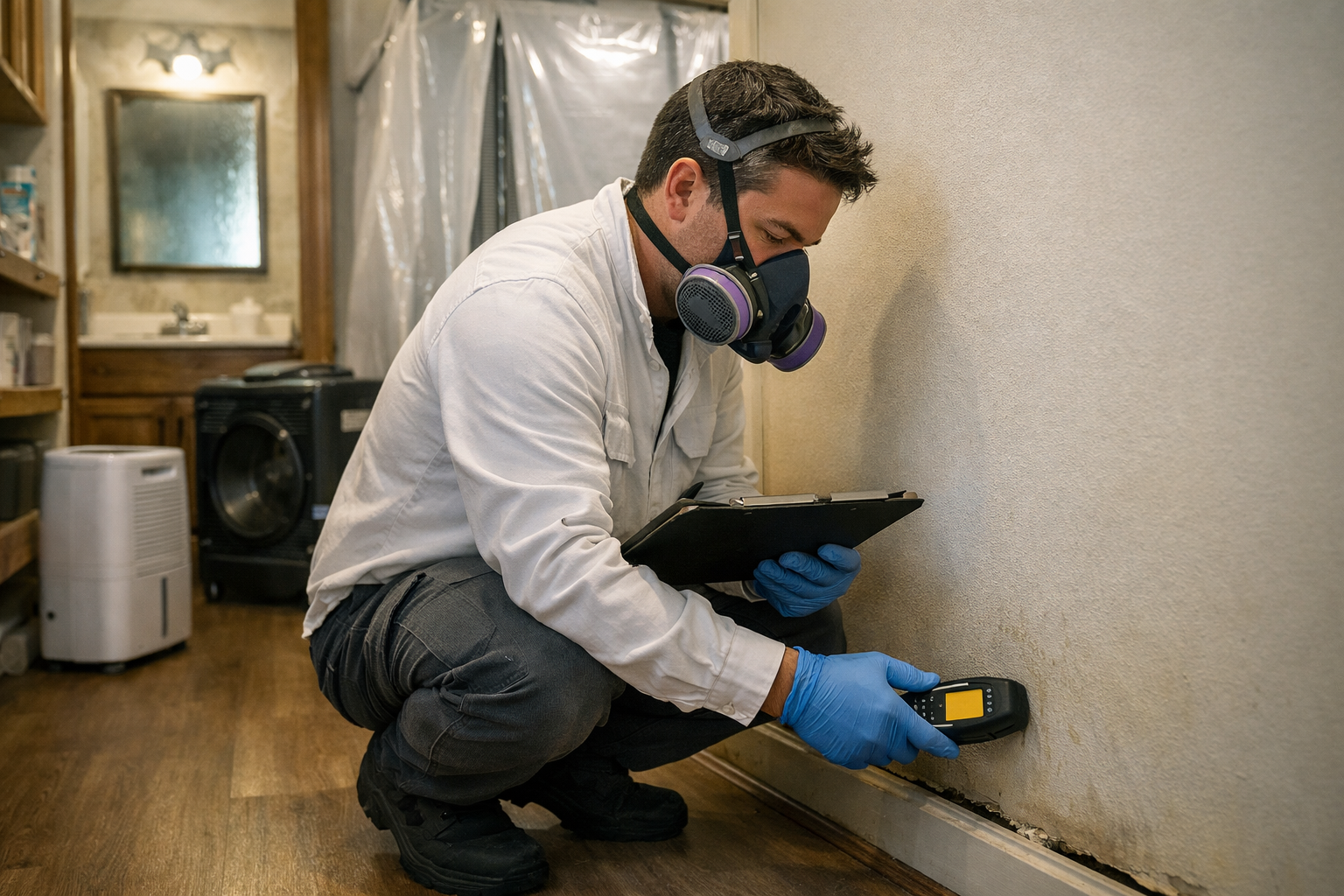
Mold Remediation vs Mold Removal: What’s the Difference?
If you have ever searched “mold removal near me” after noticing a musty odor or seeing spotting on drywall, you have already run into the confusing part of this industry. Companies (and homeowners) often use “mold removal” and “mold remediation” interchangeably, but they are not the same thing in practice.
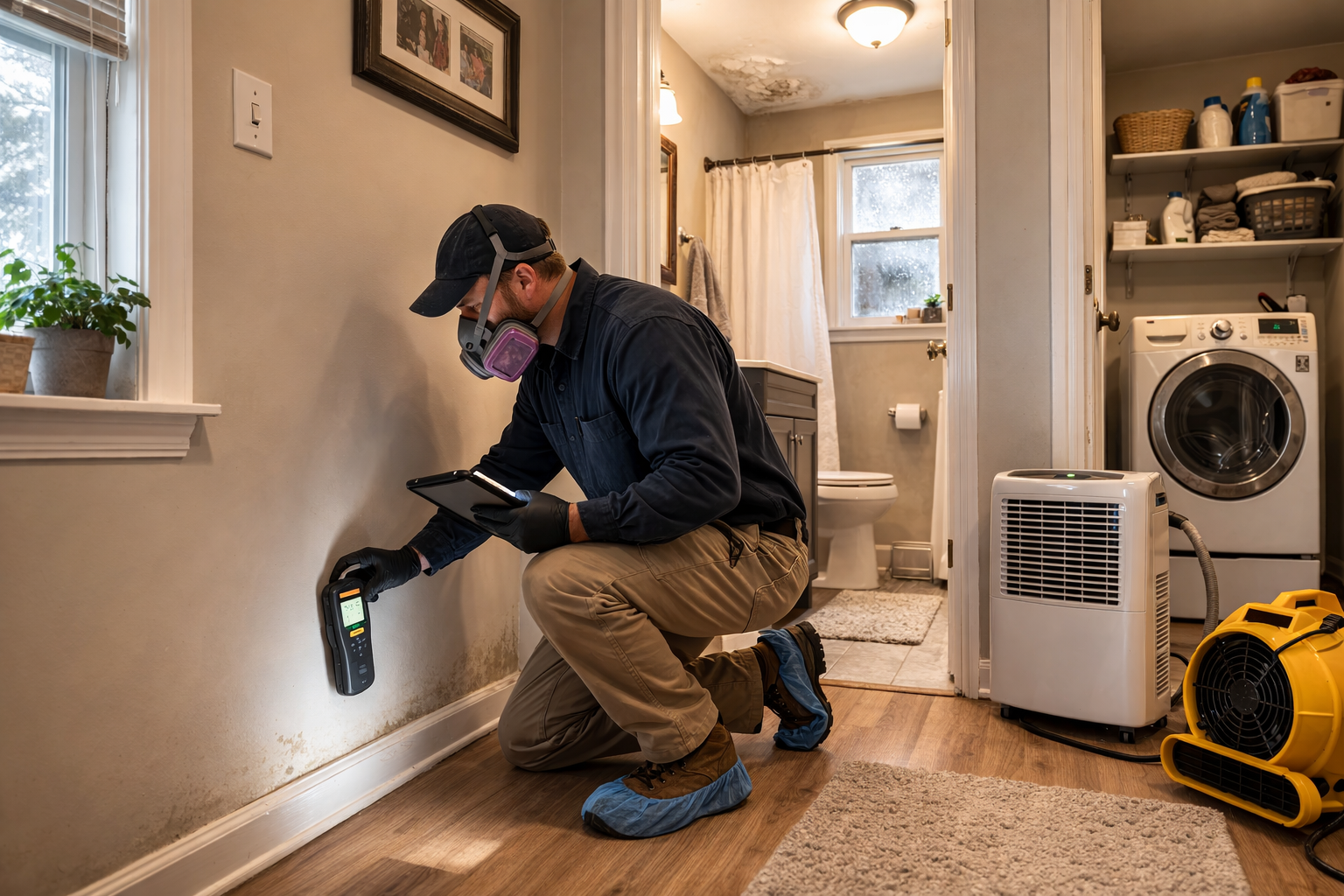
5 Signs Mold May Be Growing in Your Home or Building
In Michigan, mold problems are rarely random. They usually follow moisture. That moisture can come from basement seepage during spring rains, a sump pump failure, a roof leak after a storm, or a slow plumbing leak that quietly feeds hidden growth for weeks.
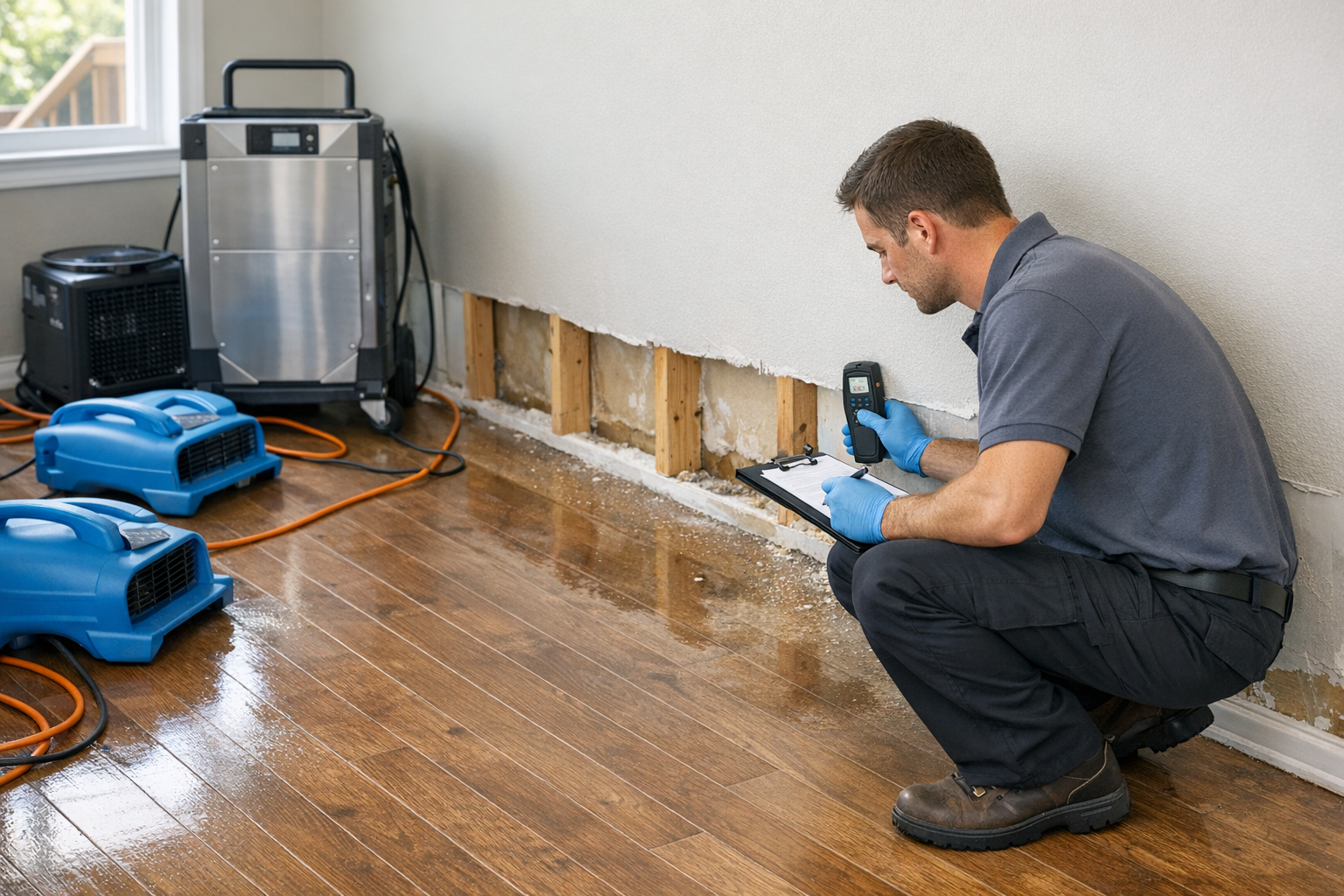
What to Do After Water Damage to Prevent Mold Growth
Water damage is something we regularly see across Michigan. A frozen pipe in January, heavy spring rains, sump pump failure, or a roof leak during a summer storm can quickly introduce moisture into a home or commercial building. The real concern is not just the water intrusion itself, but what happens in the first 24 to 48 hours afterward.
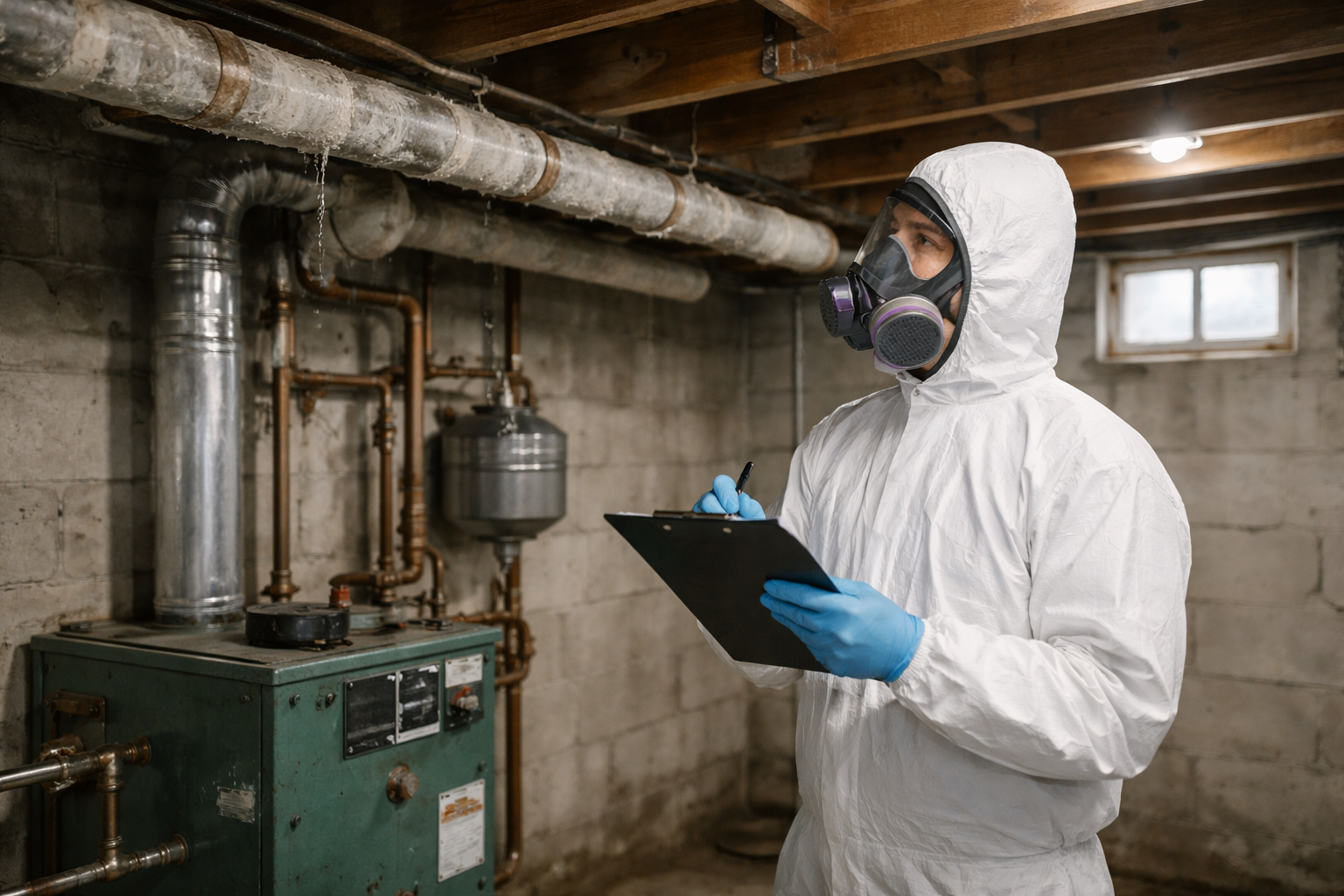
Common Places Asbestos Is Found in Older Homes and Commercial Buildings
If your property was built before 1980, there is a strong possibility that asbestos-containing materials are still present somewhere inside. Asbestos was widely used throughout the 20th century because it was inexpensive, fire resistant, durable, and an excellent insulator. It was added to thousands of building products before its health risks became fully understood.
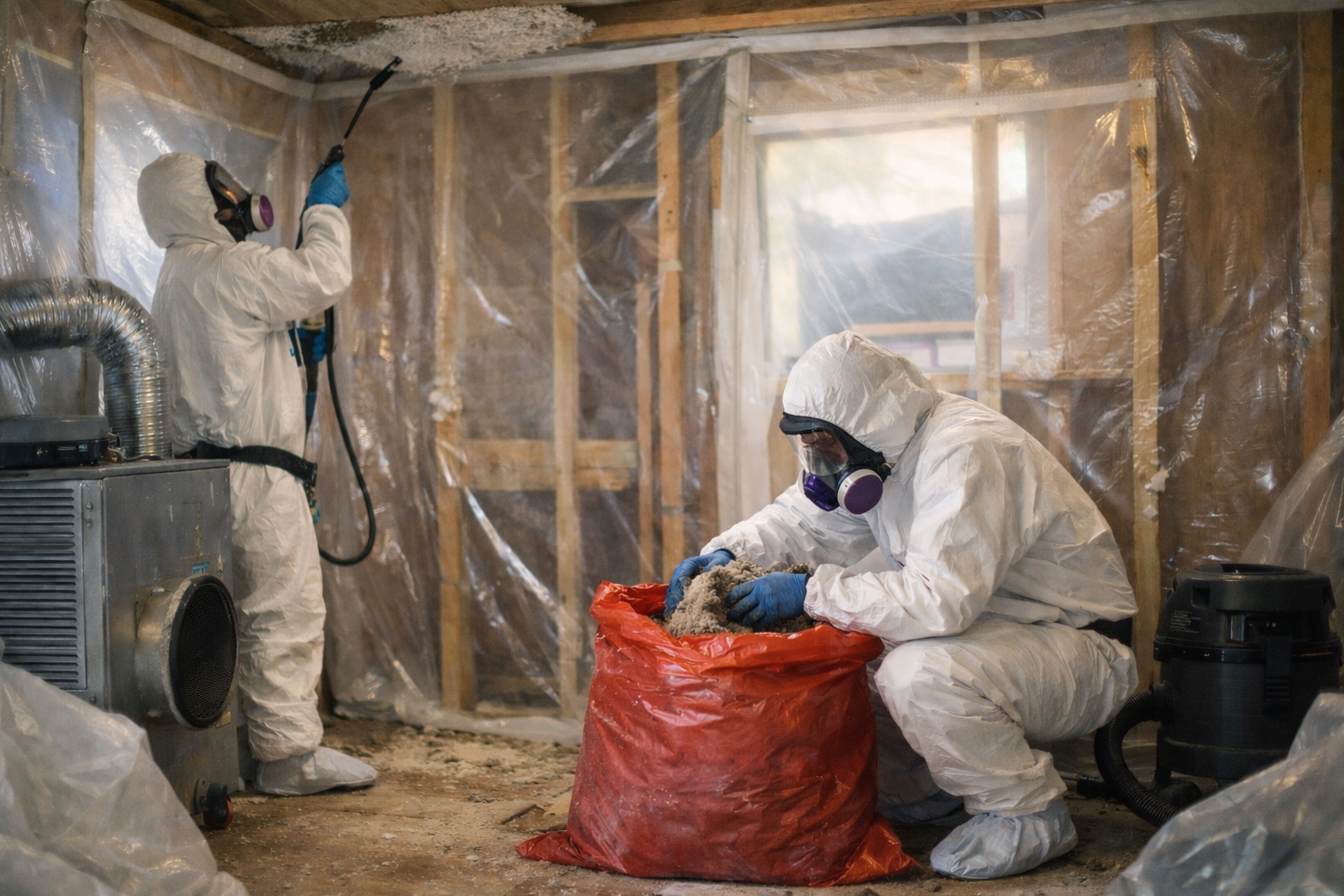
The Asbestos Removal Process Explained Step-by-Step
When asbestos is identified in a home or commercial building, the next question is usually straightforward: what happens now?
Asbestos removal is not standard demolition. It is a regulated environmental procedure designed to control airborne contamination and protect human health. For homeowners, contractors, property managers, and investors in Michigan, understanding how asbestos abatement works helps ensure projects move forward safely and in compliance with the law.
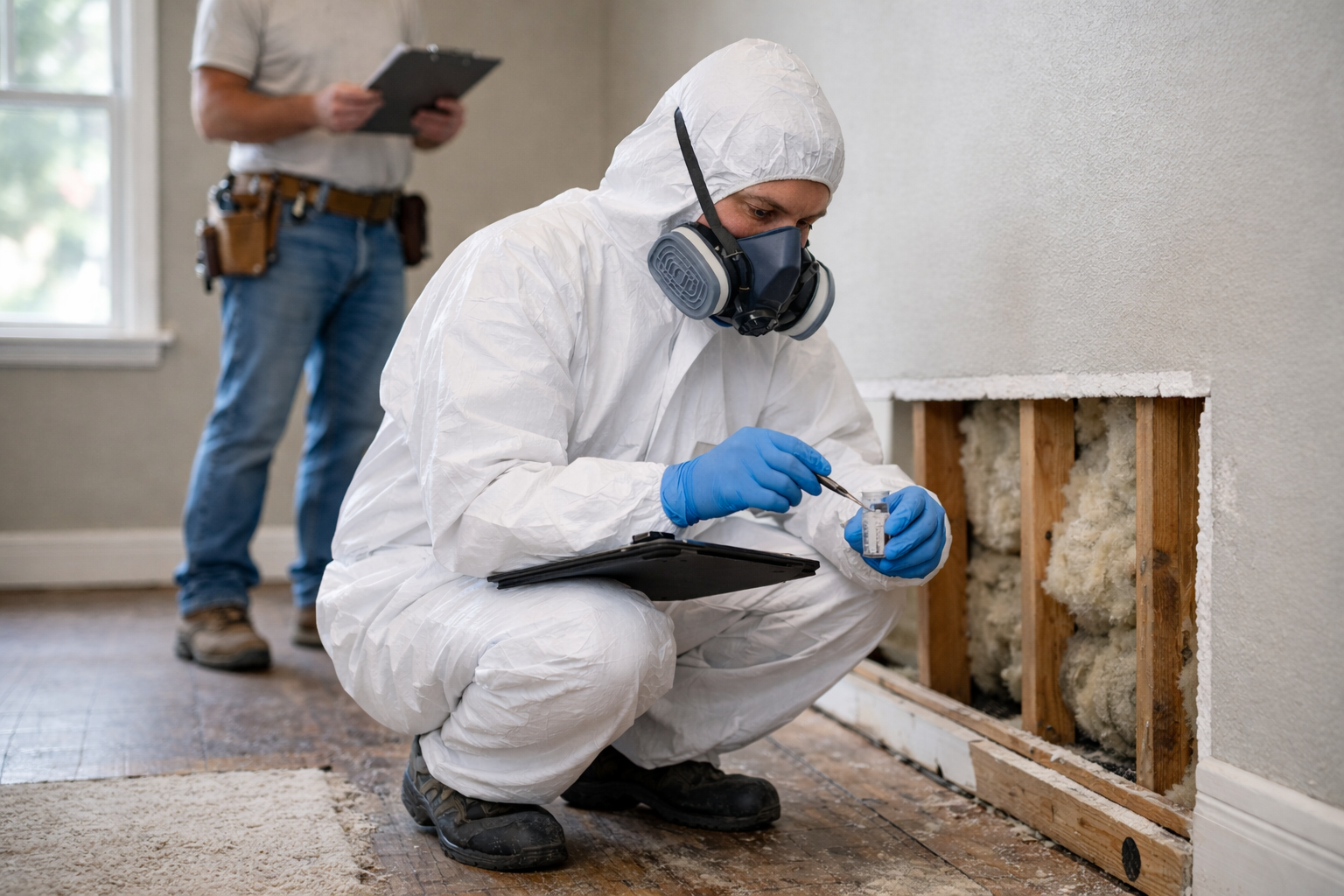
Asbestos Before Renovation: What Michigan Property Owners Need to Know
Renovating an older home or commercial building in Michigan can increase property value and extend the life of the structure. Before demolition begins or materials are disturbed, one important step should always come first: determining whether asbestos is present.
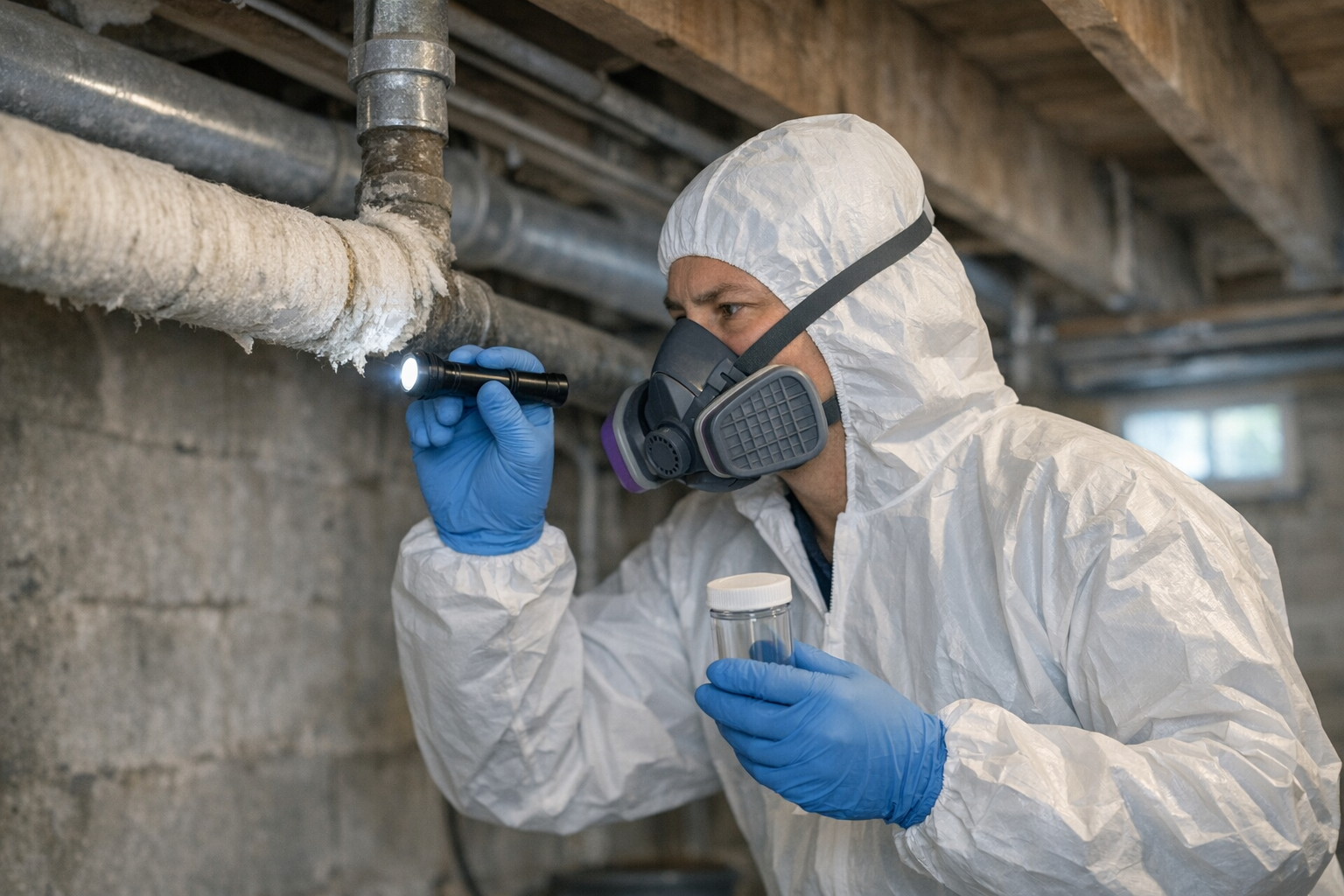
How to Know If Your Home or Building Contains Asbestos
If you own, manage, renovate, or invest in property in Michigan, understanding asbestos is part of responsible property ownership, especially in older homes and commercial buildings.
Asbestos was widely used in construction for decades because it is durable, fire resistant, and insulating. Today, we know it can pose serious health risks when disturbed.